
What sounds like silent thunder
a short essay and a poem about a place and a time

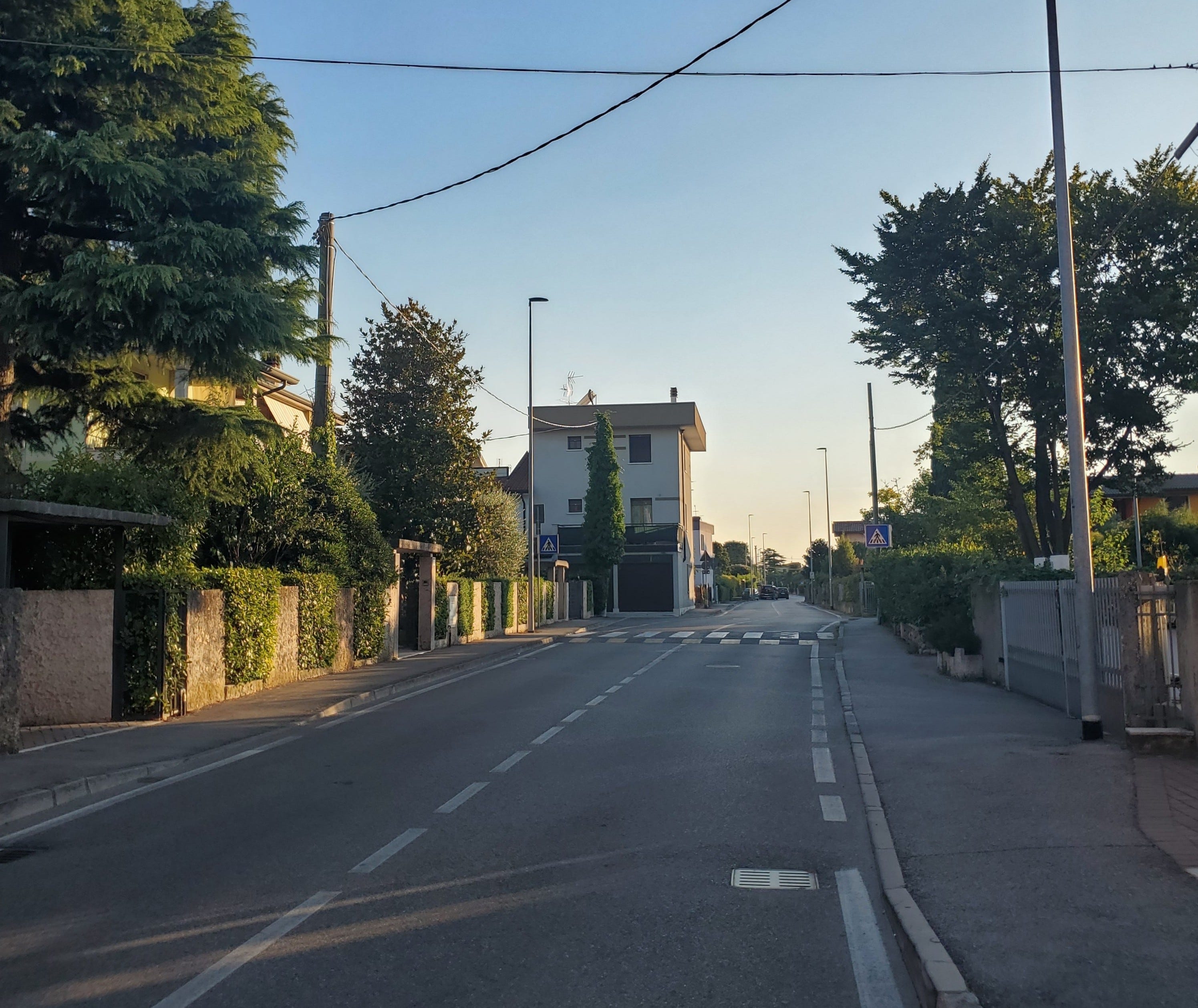
Laboring from the Dossobuono station to our accommodation, the cascading din of cicadas pierced the dense air. As we walked—each minute stretching longer than anticipated, hefty bags clinging to sore shoulders—the relentless buzz of their tymbals faded into the background of consciousness.
Drifting in to fill its place was a hollow emptiness, as if the vitality of a bygone era had steadily given way to the blanketing silence. An eerie mood emanated from the soporific heat.
We’d come for the peace and quiet—to stay at a charming kiwi farm with a pool on the edge of town—but this was not the idyllic ambiance we’d expected.


And so for a day and a half we rested and read, swam and slept, made sandwiches and love. Travel is difficult, you know: one must squeeze leisure within one’s leisure.
For a day and a half we existed on the edge of the world, isolated from whatever displays of human life might have taken place elsewhere.
On the final evening, we strolled into the city center for a late dinner, our preconceived notions crumbling before our eyes. In a fifteen minute walk, we observed the town come to life: children riding bikes and lingering in giggling groups; barbers chatting as much as cutting hair; cafes and restaurants humming with communal satiation.
It turns out, one should never judge a place during siesta. Perhaps one shouldn’t judge a place at all. It’s the places I know the least about, the places I have no real purpose or preexisting desire to visit, where the deepest resonances of the human experience echo loudest.
They clamor in unison
     or call in response.
Boundary blurred, each origin lost.

I lay in the afternoon swelter.
Dossobuono around us,
     rests inside quiet shelter.

A trillion draws down to two,
     to one, to none.
At last, my own eyes do succumb.

Even the numbered cicada,
From time to time is called
     to take a true siesta.